





Anne Colgan
The course is great fun - whether it’s for a career or just to enjoy. Most people are nervous when you meet a bunch of new people, but everyone was there to learn and have fun!
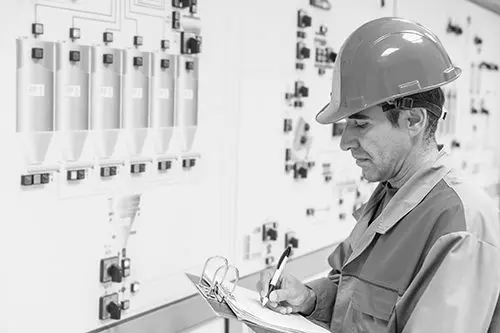
The primary role of a Property Maintenance Operative is to optimise property condition and quality and to ensure the building is kept in a safe working condition.
Property Maintenance Operatives will understand the mechanism of buildings including electrical, plumbing, plant, safety systems and equipment. They will provide first and immediate response to fault finding, whilst maximising quality and ensuring cost effectiveness. They will ensure prevention of major damage that could result in extensive costs and minimise reactive intervention.
The primary role of a Property Maintenance Operative is to optimise property condition and quality and to ensure the building is kept in a safe working condition.
Property Maintenance Operatives will understand the mechanism of buildings including electrical, plumbing, plant, safety systems and equipment. They will provide first and immediate response to fault finding, whilst maximising quality and ensuring cost effectiveness. They will ensure prevention of major damage that could result in extensive costs and minimise reactive intervention.
English and Maths GCSE's grades 2/D or above or equivalent. Individual employers may have their own higher entry requirements.
On an apprenticeship programme, you will learn and develop a range of knowledge, skills and behaviours. These include:
End Point Assessment:
Apprentices without Level 1 English and Maths will need to achieve this prior to taking the end-point assessment.
The apprentice must complete all elements of the on programme learning to achieve the assessment gateway requirements. The EPA consists of 3 assessment methods:
As part of the apprenticeship there is a dedicated off the job learning requirement. This is a minimum of 6 hours per week for the duration of the apprenticeship. This could include:
Role Development:
Programme Development:
On completion of this standard, apprentices can progress into a wide range of employment opportunities or further education.
Typical Job Roles: Maintenance Assistant, Maintenance Engineer, Maintenance Manager, Maintenance Technician, Caretaker, Janitor, Multi-Skilled Technician, Premises Manager