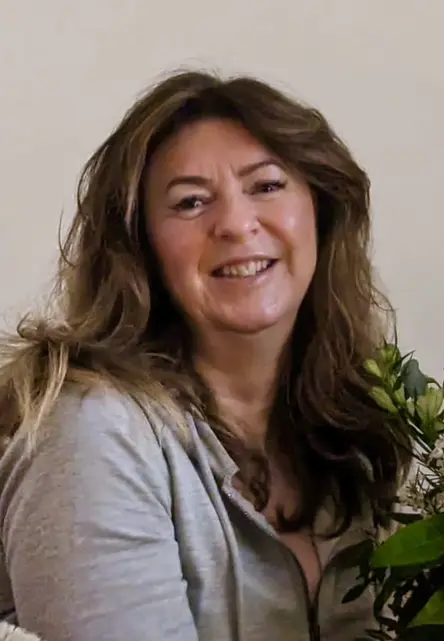







Anne Colgan
The course is great fun - whether it’s for a career or just to enjoy. Most people are nervous when you meet a bunch of new people, but everyone was there to learn and have fun!
This qualification will develop skills and knowledge necessary to work in a bookkeeping role or to progress to higher level accountancy roles or study. Students completing this qualification will become competent in financial processes including accounting principles and concepts, advanced bookkeeping and preparing financial statements. They will also be introduced to business issues regarding payroll and value added tax (VAT), including an understanding of the documents and reports produced on payroll software, timescales for submissions and payments. This qualification offers progression for students who already have bookkeeping knowledge, either to gain employment in a bookkeeping role or to progress to further study. This qualification is suitable for those who have completed the Level 2 Certificate in Bookkeeping and may help students already working in a bookkeeping role to progress by offering them formal recognition of their skills. Once you have completed the course you can apply to become an AAT bookkeeping member (AATQB), and if you're thinking of starting your own practice, you'll be able to apply to become an AAT Licensed Bookkeeper.
This course starts in September and will run for 35 weeks, 4 hours per week on Thursday 5pm - 9pm.
This qualification will develop skills and knowledge necessary to work in a bookkeeping role or to progress to higher level accountancy roles or study. Students completing this qualification will become competent in financial processes including accounting principles and concepts, advanced bookkeeping and preparing financial statements. They will also be introduced to business issues regarding payroll and value added tax (VAT), including an understanding of the documents and reports produced on payroll software, timescales for submissions and payments. This qualification offers progression for students who already have bookkeeping knowledge, either to gain employment in a bookkeeping role or to progress to further study. This qualification is suitable for those who have completed the Level 2 Certificate in Bookkeeping and may help students already working in a bookkeeping role to progress by offering them formal recognition of their skills. Once you have completed the course you can apply to become an AAT bookkeeping member (AATQB), and if you're thinking of starting your own practice, you'll be able to apply to become an AAT Licensed Bookkeeper.
This course starts in September and will run for 35 weeks, 4 hours per week on Thursday 5pm - 9pm.
Students will have completed the Level 2 Certificate in Bookkeeping.
The Level 3 qualification comprises the following units:
Classroom based teaching and computer suites for practice accounting sessions. Sessions are delivered by highly qualified industry accountants
Financial Accounting: Preparing Financial Statements
This unit provides students with the skills required to produce statements of profit or loss and statements for financial position for sole traders and partnerships, using a trial balance. Students will gain the double-entry bookkeeping skills needed to record financial transactions into an organisation's accounts using a manual bookkeeping system.
Tax Processes for Business
This unit explores tax processes that influence the daily operations of businesses and is designed to develop students' skills in understanding, preparing and submitting Value Added Tax (VAT) returns to HM Revenue & Customs. The unit provides students with the knowledge and skills needed to keep businesses, employers and clients compliant with laws and practices that apply to VAT and payroll.
Both units are assessed by an online exam. Both units must be passed to achieve the full level 3 Certificate in Bookkeeping.
Once you have completed the course you can apply to become an AAT bookkeeping member (AATQB), and if you're thinking of starting your own practice, you'll be able to apply to become an AAT Licensed Bookkeeper.
Possible careers with this range of skills would include: