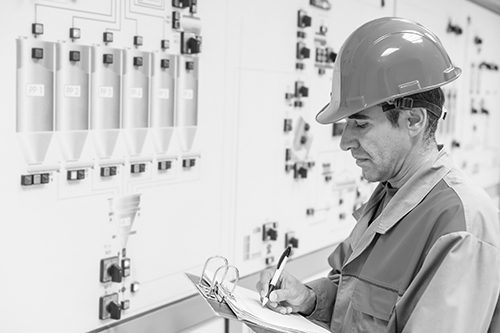





Anne Colgan
The course is great fun - whether it’s for a career or just to enjoy. Most people are nervous when you meet a bunch of new people, but everyone was there to learn and have fun!
The Level 3 Domestic Electrician Apprenticeship gives you the practical skills, technical knowledge and workplace experience needed to work towards becoming a qualified domestic electrician.
You’ll learn how to install, maintain, inspect and test electrical systems in homes and residential properties, working with everything from lighting, power and heating systems to emerging technologies transforming the homes of the future.
You’ll develop skills across areas including electrical installation, fault finding, testing, smart home technology, EV charging points and low-carbon technologies, while learning how to work safely, professionally and to current industry standards.
With a typical duration of 36 months, this apprenticeship combines training with real experience in the workplace, helping you build the skills for a rewarding career in the electrical industry.
Power your future with an apprenticeship as a Domestic Electrician.
You will need to be employed in a suitable domestic electrical role that allows you to develop and demonstrate the knowledge, skills and behaviours required by the apprenticeship.
English and maths requirements must be completed in line with the current apprenticeship funding rules.
A driving licence may also be required by some employers.
Throughout your apprenticeship, you'll develop practical electrical skills and learn how to:
You'll also learn about the importance of sustainability and how developing technologies are changing the way electricity is used within our homes.
As an apprentice, you'll develop your skills on the job with an employer, putting what you learn into practice in real working environments.
Your workplace experience will focus on electrical work within homes and other individual residential units, which could include existing properties, new-build homes, housing developments or individual units within settings such as apartment buildings, care homes and student accommodation.
You'll experience different stages of electrical work, from planning and installation through to maintenance, inspection, testing, fault finding and handing completed work back to the customer.
You'll also develop the confidence to communicate professionally with customers and other people you work alongside.
Successful completion can prepare you for a career as a:
You could work for an electrical contractor or organisations providing residential services, including housing associations, local authorities, housebuilders and other electrotechnical businesses. With experience, you could also choose to become self-employed.
The apprenticeship includes an Electrotechnical in Dwellings qualification and successful completion of the National Electrotechnical Training (NET) AM2D assessment. The standard states that this provides eligibility to apply for recognition through the ECS Domestic Electrician Gold Card.